
Businesses across the UK are operating in an increasingly complex environment where security threats can emerge from multiple directions. Theft, vandalism, workplace violence, insider misconduct and unauthorised access continue to create challenges for every organisation. In sectors such as retail, construction, logistics, manufacturing, healthcare and commercial property management, maintaining a secure workplace has become a strategic priority rather than a routine compliance requirement.
Modern organisations are responding by adopting stronger physical security measures, investing in trained security personnel, improving access control systems and developing comprehensive physical security frameworks. These approaches help businesses identify potential threats before they escalate and ensure business continuity when incidents occur.
As security threats continue to evolve, UK businesses are increasingly moving away from reactive responses and towards proactive risk management. Understanding the UK security threat levels they face is the first step in building an effective physical security plan.
Understanding the Physical Security Threats Faced By UK Businesses
The nature of security threats affecting UK businesses has changed significantly over recent years. Criminals are becoming more organised, premises are becoming larger and more complex, and businesses are increasingly managing operations across multiple locations. These factors create new security risks for businesses that require a more strategic approach to protection. Let’s find out what are security threats that can affect your business.
Theft and Burglary
One of the most common physical security threats remains theft. Burglary reports rose 14% in the UK last year, highlighting the ongoing challenge faced by commercial premises. Criminal activity targeting warehouses, retail outlets, construction sites and office buildings can result in substantial losses, particularly when valuable assets or specialist equipment are involved. Physical security threats include unauthorised access and theft, making perimeter protection and site monitoring essential for businesses that hold high-value stock or equipment.
Vendalism
Vandalism also continues to affect organisations across a wide range of industries and retail operations. Effective physical security reduces theft and vandalism incidents, yet many businesses underestimate the operational disruption these acts can cause. Vandalism can cause property damage linked to location or motives, often resulting in repair costs, downtime and reputational concerns. International studies estimate that vandalism costs U.S. businesses $12 billion annually, demonstrating the scale of damage that malicious behaviour can create.
Workplace Violence
Another growing concern is workplace violence. Workplace violence increased by 10% in 2023, creating new challenges for employers responsible for protecting staff and visitors. Workplace violence poses risks to employee safety and can affect morale, productivity and staff retention. Businesses that regularly interact with the public often face heightened exposure to aggressive behaviour, making trained security officers and security staff valuable components of a wider protection strategy.
Unauthorised Access
Unauthorised access remains one of the most persistent physical security threats affecting modern organisations. Access control limits entry to authorised personnel only, yet many businesses still experience physical security breaches due to weak visitor management procedures or inadequate physical security controls. Research indicates that 35% of breaches occur due to tailgating, while 35% of unauthorised access breaches occur through tailgating. An unauthorised person may successfully carry out physical actions that compromise a restricted area simply by following an authorised employee through a secured entrance.
Insider Threats
Insider threats are another often overlooked risk. Insider threats are caused by employees with legitimate access, making them more difficult to detect than external threats. Studies show that 57% of fraud involves company insiders. Insider threats can include document theft and sabotage, while some insiders may collaborate with outside actors to bypass security measures. Beyond immediate losses, insider threats can sabotage long-term business growth by undermining trust, exposing confidential information and creating ongoing operational risks.
Environmental Risks
Businesses must also consider environmental and infrastructure-related threats. Natural disasters can cause catastrophic damage to infrastructure and physical assets. Natural disasters can compromise physical security and operations, particularly when organisations lack contingency planning. In 2024, 27 weather disasters caused $1 billion in damages each, while since 1980, natural disasters have caused $2.915 trillion in damages globally. Severe weather events, flooding and other environmental hazards can damage facilities and disrupt operations with little warning.
Emergency Situations
Industrial facilities face additional concerns linked to chemical spills and hazardous incidents. In 2024, chemical leaks resulted in 2 deaths and 34 injuries, highlighting the importance of emergency preparedness and site protection measures. Businesses operating within industrial environments must ensure that physical security systems support emergency services access while maintaining control over sensitive areas.
The Business Impact of Physical Security Incidents

While many organisations focus on preventing crime, understanding the wider impact of security incidents is equally important. Physical security threats can lead to significant financial losses, making prevention far more cost-effective than recovery. A theft, act of vandalism, unauthorised access incident or workplace confrontation can trigger a chain reaction that disrupts operations, affects staff confidence and creates significant financial pressure.
As security threats become more sophisticated, businesses are recognising that physical security is not simply about protecting buildings. It is about safeguarding people, maintaining productivity and ensuring that essential services continue without interruption.
Financial Losses and Asset Protection
One of the most immediate consequences of physical security breaches is financial loss. Whether the incident involves stolen equipment, damaged property, document theft or operational downtime, the costs can escalate quickly.
Financial losses from theft can significantly impact businesses, particularly those that rely on expensive machinery, specialist equipment or high-value inventory. Construction sites, warehouses and logistics facilities are particularly vulnerable because they often contain valuable assets that can be easily targeted by organised criminal groups, making reliable key holding and alarm response services a critical layer of protection.
Beyond the direct replacement costs, businesses may also face:
- Increased insurance premiums
- Emergency repair expenses
- Contractual penalties due to project delays
- Lost revenue during operational disruptions
- Additional security investment following an incident
For many organisations, the indirect costs often exceed the value of the original loss. This is why conducting a risk assessment is crucial for identifying vulnerabilities before they result in costly incidents.
Disruption to Business Operations
Physical security threats have the potential to interrupt normal business operations for hours, days or even weeks. A burglary, act of arson or major security incident can temporarily close premises, prevent employees from accessing critical systems and delay customer services.
Businesses that operate across multiple sites face an even greater challenge. If one location becomes compromised, the disruption can affect supply chains, service delivery and customer satisfaction across the entire organisation.
Natural disasters like floods and hurricanes can happen with little warning, creating additional operational risks. Environmental hazards can damage facilities and disrupt operations, particularly where businesses depend on specialist infrastructure or operate from a remote location. Natural disasters can compromise physical security and operations by damaging entry points, physical barriers, power supplies and communication systems.
Maintaining business continuity therefore requires more than responding to incidents after they occur. It requires a proactive commercial security plan designed to minimise disruption and support recovery.
Reputational Damage and Loss of Trust
A serious physical damage can affect how customers, employees and stakeholders perceive an organisation. Frequent security breaches may create concerns about professionalism, safety standards and operational reliability.
For businesses that handle sensitive information or confidential information, trust is particularly important. An incident involving unauthorised access, insider misconduct or physical attacks on company facilities can damage relationships that have taken years to build.
Security leaders increasingly understand that reputation is closely linked to security performance. When clients, visitors and employees see visible physical security measures in place, they are more likely to view the organisation as responsible and well-managed.
Employee Safety and Workplace Wellbeing
Protecting people remains one of the most important objectives of any physical security strategy. Workplace violence increased by 10% in 2023, reinforcing the need for businesses to create a secure workplace where employees feel protected.
Security threats involving aggressive behaviour, unauthorised visitors or criminal activity can have a lasting impact on workforce morale. Employees who feel unsafe are less likely to perform effectively, while repeated incidents can increase absenteeism and staff turnover.
Professional security personnel, security officers and trained security teams play a vital role in helping businesses protect people. Their presence provides reassurance, supports incident management and helps ensure employees can focus on their responsibilities without unnecessary concern for their personal safety.
The Growing Risk of Insider Security Threats
External criminals are not the only source of physical security risks. Insider threats continue to represent a significant challenge for organisations across many sectors.
Research indicates that 57% of fraud cases involve company insiders. Because these individuals are often an authorised person with own credentials and legitimate access permissions, they can gain access to sensitive areas without immediately attracting suspicion.
Insider threats can include document theft and sabotage, while some insiders may collaborate with outside actors to bypass security controls. In severe cases, these activities can compromise critical information, damage physical assets and create long-term operational difficulties.
This growing challenge highlights why businesses need layered physical security systems that combine policies, staff training and physical security controls to detect suspicious activity before it causes significant harm.
As the impact of security threats continues to grow, businesses are increasingly investing in preventative strategies that strengthen protection across every level of their operations.
How UK Businesses Are Strengthening Their Physical Security Strategies
Physical security protects people, property, and data from harm. As businesses become more dependent on interconnected operations, security leaders are recognising that physical security is important not only for protecting physical infrastructures but also for safeguarding critical information and maintaining operational resilience.
Modern physical security frameworks include policies and technologies for protection, helping organisations address vulnerabilities before they become serious incidents.
Investing in Professional Security Personnel
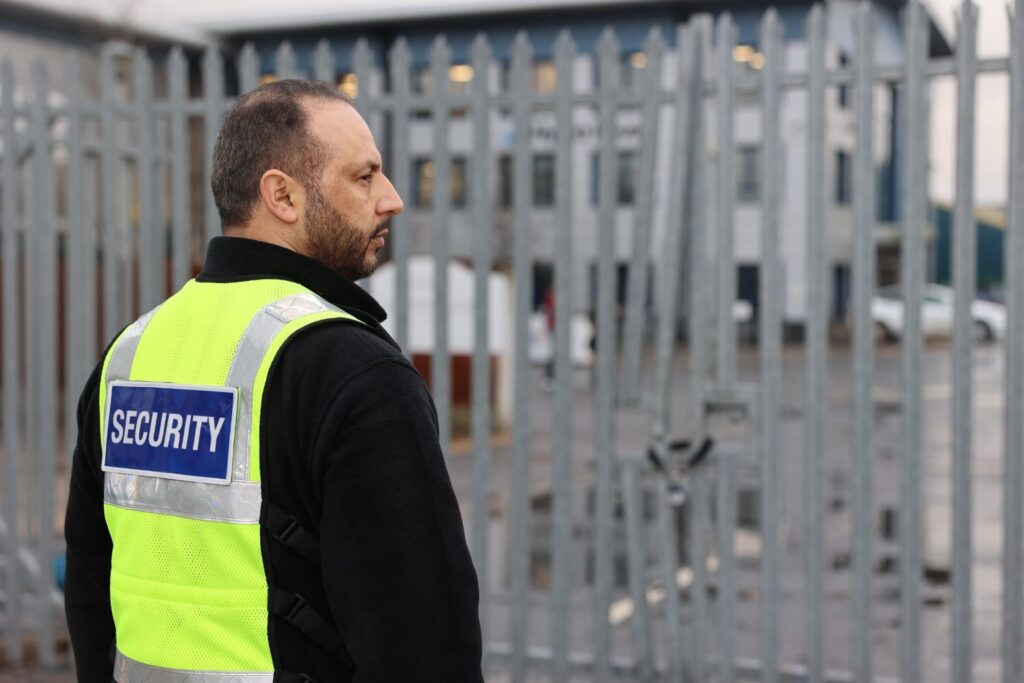
One of the most effective ways to deter criminal activity is through a visible security presence. Trained security guards and security officers remain a cornerstone of physical security because they can identify suspicious activity, respond to incidents and provide reassurance to staff and visitors. Learn the top signs your business needs a professional security guard in our blog.
Unlike automated systems, professional security personnel can assess situations in real time and take appropriate action when security threats emerge. Their ability to monitor entry points, manage visitor access and respond to emergencies makes them an important component of any physical security plan.
Many businesses are also expanding the role of security staff beyond traditional guarding functions. Modern security teams support health and safety procedures, assist with emergency evacuations and help maintain secure areas across complex commercial sites.
For organisations operating large premises, construction sites, warehouses or multi-tenant buildings, having experienced security personnel on-site can significantly reduce the likelihood of physical security breaches.
Strengthening Access Control and Site Security
Access control limits entry to authorised personnel only, reducing opportunities for theft, vandalism and other security incidents. Effective access control can delay intruders by requiring credentials, creating valuable time for security teams to respond.
Modern access control systems can include keypads and biometric authentication, providing greater protection for security threats than traditional lock-and-key arrangements. Keyless access control reduces risks of lost keys and enables businesses to manage permissions more efficiently.
Many organisations are now introducing advanced physical security controls such as:
- Biometric readers
- Facial recognition technology
- Anti tailgating doors
- Electronic visitor management systems
- Multi-factor authentication
- Restricted area monitoring
Multi-factor authentication enhances access control security by requiring multiple forms of verification before access is granted. These technologies help reduce the likelihood of an unauthorised person entering sensitive areas while providing detailed records of physical access activity.
Expanding CCTV and Video Surveillance Coverage
The use of CCTV systems continues to grow across the UK as businesses seek greater visibility over their premises. CCTV cameras deter criminals by recording their actions, while video surveillance cameras deter and detect intruders effectively.
Modern video surveillance technology offers far more than simple recording capabilities. Many physical security systems now incorporate artificial intelligence to enhance monitoring accuracy and identify security threats and unusual behaviour patterns automatically.
Automated physical security components enhance real-time monitoring by alerting security teams when unusual movement or unauthorised access attempts are detected. For organisations operating large sites or multiple locations, CCTV systems provide continuous oversight that supports both prevention and response efforts.
Improving Perimeter Security and Intrusion Detection

Protecting the perimeter remains a critical aspect of physical security. Perimeter fences and gates are traditional deterrence measures that continue to play an important role in preventing unauthorised access. Many commercial premises are combining traditional physical barriers with advanced intrusion detection technologies for protection against security threats. Common examples include:
- Tall perimeter fences
- Security gates
- Motion sensors
- Intruder alarms
- Controlled vehicle access points
- Perimeter monitoring systems
Motion sensors detect unauthorised access in real-time, allowing security personnel to respond quickly before an incident escalates. Intruder alarms provide an additional layer of protection by generating immediate alerts when suspicious activity is detected.
Building a Security-Conscious Workforce
Technology alone cannot eliminate security risks. Businesses are increasingly recognising the value of educating employees about their role in maintaining a secure workplace.
Regular staff training helps ensure employees understand security procedures, recognise suspicious activity and report concerns promptly. Effective programmes often train employees to identify common physical security risks such as tailgating, social engineering attempts and unauthorised visitors.
Employees remain one of the strongest defences against physical security threats when they understand their responsibilities and actively support organisational security measures. By combining people, processes and technology, businesses can create a more resilient environment that protects people, property and operations alike.
Best Practices for Identifying and Responding to Security Threats
No business can eliminate every risk entirely, but organisations can significantly reduce their exposure to security threats by adopting practical and proactive security measures. The most resilient businesses are those that identify vulnerabilities early, establish clear procedures and ensure their employees understand how to respond when incidents occur.
The following best practices can help businesses strengthen their physical security plan and improve their ability to respond to potential threats.
Conduct Regular Risk Assessments
- Identify vulnerabilities across buildings, entry points and physical assets.
- Review the emerging security threats with help of a professional team.
- Assess exposure to theft and unauthorised access in warehouse and data centres.
- Evaluate environmental hazards such as severe weather, flooding and chemical spills.
- Update physical security controls as business operations change.
Strengthen Access Control Procedures
- Restrict physical access to sensitive areas and restricted areas.
- Review access permissions for every authorised employee regularly.
- Remove access rights immediately when staff leave the organisation.
- Use access control systems to manage visitor and contractor entry.
Train Employees to Recognise Security Risks
- Train employees to identify suspicious activity and report concerns quickly.
- Educate staff about tailgating and social engineering techniques.
- Ensure employees understand emergency reporting procedures.
- Provide regular staff training on security threats and site protocols.
Improve Incident Response Planning
- Establish clear procedures for responding to security incidents.
- Define escalation processes for different threat levels.
- Maintain updated emergency contact information.
- Coordinate response plans with emergency services where necessary.
Enhance Surveillance and Monitoring
- Ensure security cameras monitor high-risk locations and entry points.
- Review CCTV systems coverage and arrange active monitoring for 24/7 deterrence.
- Use video surveillance to support investigations and evidence collection.
- Integrate motion sensors with monitoring procedures where appropriate.
Protect Against Insider Security Threats
- Monitor access to confidential information and critical information.
- Separate duties where possible to reduce opportunities for abuse.
- Investigate unusual behaviour involving physical access or company assets.
- Establish procedures to prevent document theft and sabotage.
- Review security controls for employees with elevated access privileges.
Support Business Continuity Planning
- Develop contingency plans for major disruptions.
- Prepare for physical threats including arson, theft and workplace violence.
- Consider the impact of natural disasters on physical infrastructures.
- Identify alternative operating arrangements during emergencies.
- Review recovery plans regularly to ensure business continuity.
Maintain Physical Security Infrastructure
- Inspect physical barriers, gates and perimeter fencing routinely.
- Test intruder alarms and monitoring systems regularly.
- Repair damaged security equipment without delay.
- Ensure secure areas with professional security services.
- Review physical security systems to address changing operational risks.
By following these best practices, businesses can improve their ability to detect, prevent and respond to security threats before they escalate into major operational or financial challenges.
Stay Ahead of Evolving Security Threats with Proforce Security
As security threats continue to evolve, businesses need more than a reactive approach to protection. From unauthorised access and workplace violence to theft, vandalism and other physical security risks, having the right security measures in place can make a significant difference to the safety of your people, property and operations.
At Proforce Security, we provide tailored physical security solutions designed to help businesses manage security threats effectively. Whether you require professional security guards, mobile patrols, key holding, alarm response or CCTV monitoring, our experienced security personnel work closely with you to create a security strategy that reflects your operational requirements and risk profile.
If you are looking to strengthen your physical security, protect valuable assets and reduce exposure to security threats, contact Proforce Security today to discuss a solution tailored to your business.


