
The security industry in the UK has changed significantly over the last decade. Security officers are now expected to respond to a wide range of risks, including anti-social behaviour, organised retail crime, cyber-enabled threats, public disorder, and hostile incidents in crowded environments. Businesses operating within the private security industry must ensure their staff possess the practical knowledge, confidence, and qualifications needed to respond effectively.
Regular security training is no longer limited to gaining a security guard licence or completing a door supervisor course. It has become a critical part of maintaining safe workplaces, protecting the public, and ensuring compliance with the Security Industry Authority. Employers that fail to maintain proper training standards risk exposing their organisations to operational disruption, reputational damage, and legal consequences.
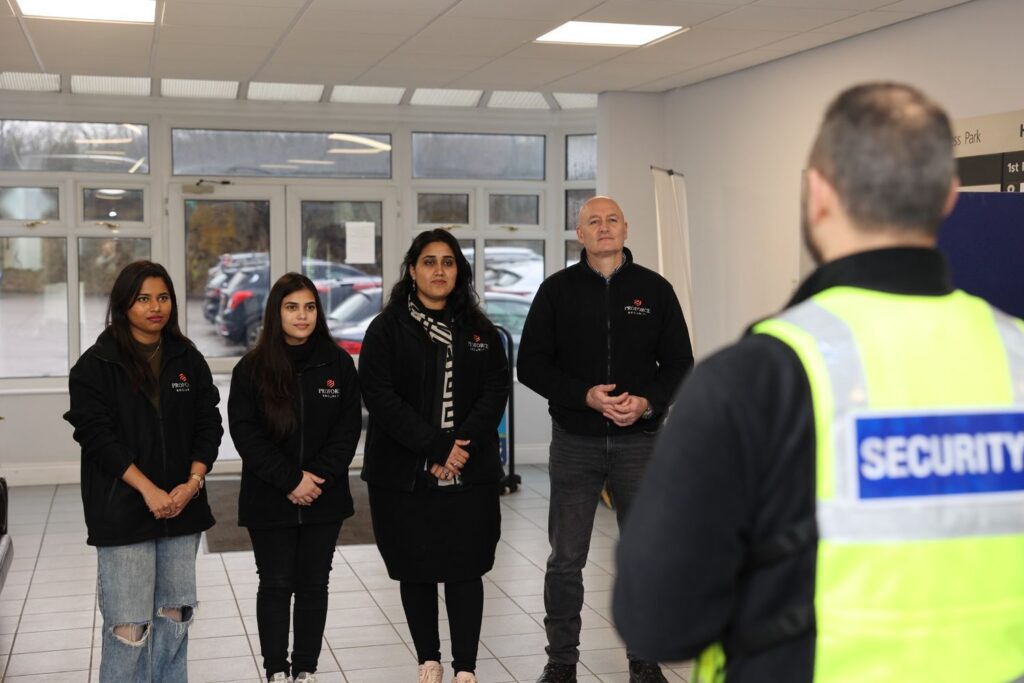
At Proforce Security, we train our team around practical learning, current industry standards, and real workplace scenarios as part of our wider professional security services across the UK. We encourage the security courses by expert instructors that prepare students for frontline roles across the security sector.
Changing Nature of UK Threats & Need for Security Training
Security threats within the UK continue to evolve rapidly. Retail crime has increased across major cities, transport hubs face growing pressure around public safety, and businesses are investing more heavily in physical protection measures. Security officers are often the first point of contact during emergencies, making regular security training essential for maintaining readiness.
The private security industry now operates in environments where threats can emerge without warning. A security guard may need to manage aggressive behaviour, respond to suspicious packages, support emergency evacuations, or assist police during public incidents. Door supervision teams working within nightlife venues face additional challenges involving conflict management, intoxicated individuals, and crowd control.
Technology has also transformed the security sector. CCTV operations now involve advanced surveillance systems, remote monitoring, digital evidence handling, and strict compliance with UK data protection regulations. CCTV operator training helps learners understand how to operate surveillance equipment professionally while respecting legal and ethical responsibilities.
Organisations must outline protocols for classifying, storing, and transmitting sensitive information in alignment with data privacy regulations. Without proper security training, employees may unintentionally expose confidential information or mishandle digital evidence.
The increasing overlap between cyber risks and physical security means businesses require comprehensive training programmes rather than basic one-time certification. Security officers need practical knowledge that reflects the modern threat landscape.
In many environments, the public expects highly trained personnel who can communicate calmly, manage emergencies professionally, and respond with confidence under pressure. Businesses that invest in quality training often achieve stronger operational standards and improved public trust.
Security training courses must be conducted by approved training providers that have been accredited by awarding organisations offering SIA-licence-linked qualifications, and businesses should always verify a provider’s security accreditations and SIA approvals. This ensures learners receive recognised qualifications that meet the standards required by the Security Industry Authority.
To obtain an SIA licence, you must complete SIA security training from an approved training provider that offers SIA-licence-linked qualifications. After completing the required training, the application process for an SIA licence typically takes about three weeks.
For many learners entering the security industry, gaining recognised qualifications opens the door to employment opportunities across retail security, commercial office security, event protection, public space surveillance, and close protection services.
You must hold a first aid qualification before taking the training required for certain SIA licences, such as close protection and door supervisor licences. Emergency first aid knowledge remains an important part of preparing staff for real-world incidents.
What A Security Training Session Should Include?
Modern organisations require more than annual classroom sessions and basic security guard training. Modern security programs favour engaging, continuous learning techniques over annual lectures. Employees retain information more effectively when training is delivered consistently throughout the year rather than through isolated sessions.
Effective security training for employees involves continuous reinforcement, interactive simulations, and role-specific education. Security officers working in retail environments face different challenges from CCTV operators monitoring public space surveillance systems or door supervisors working at licensed venues. Tailored training allows each employee to build essential skills relevant to their role.
Knowledge of Current UK Security Threats
Training must cover the most common vectors malicious actors use to target organisations. Security risks are no longer entirely physical. Businesses must also prepare employees to recognise suspicious emails, fraudulent calls, AI-generated scams, and attempts to gain unauthorised access to sensitive information.
Training employees to spot subtle indicators in phishing, deepfake AI-driven scams, SMS scams, and voice scams is essential. These threats continue to affect organisations across the UK, especially where employees lack regular awareness training.
Incident Response Training
Employee incident response training should ensure staff know exactly who to contact and how to escalate suspicious activity. Fast communication and accurate reporting remain essential components of modern security operations.
Microlearning Models
Microlearning involves delivering short modules throughout the year to reinforce security awareness training. This approach helps security staff maintain knowledge over time while keeping pace with changes in legislation, technology, and operational risks.
Tracking Progress
Tracking progress is essential to ensure training effectiveness in organisations. Feedback loops using metrics like simulation failure rates can identify knowledge gaps in employee training. This allows employers to strengthen weak areas before they become serious operational issues.
Essential Level 2 Security Training Courses For Frontline Roles

The private security industry relies heavily on professionally trained frontline staff who can respond effectively to real-world incidents. Across the UK, employers increasingly look for licensed security officers who possess recognised qualifications, practical knowledge, and up-to-date security training, as organisations use structured questions to ask private security contractors before appointing.
Level 2 qualifications remain among the most important entry routes into the security sector. These security courses provide learners with the essential skills needed to work legally and confidently in frontline security roles. They also support individuals applying for an SIA licence and seeking long-term career opportunities within the industry.
Courses should combine classroom learning, practical exercises, assessment preparation, and guidance from experienced trainers with operational expertise.
Level 2 Security Guard Course
The Level 2 Security Guard course provides learners with the practical knowledge required to work as a professional security guard within the UK security industry. The course is suitable for individuals seeking employment in retail security, office security, construction site protection, logistics, and corporate environments.
The NOCN Level 2 Award in Security Guarding is a three-day course designed to provide learners with the knowledge necessary to work as a Security Officer, including practical training and assessment.
Course content normally includes:
- Patrolling techniques
- Access control procedures
- Emergency response
- Incident reporting
- Communication skills
- Conflict management
- Health and safety awareness
- Identifying potential threats
Security training within this course focuses heavily on professionalism, observation, and maintaining secure environments. Learners must successfully complete assessments before receiving certification and progressing toward their security guard licence application.
For employers, hiring trained security guards with recognised qualifications helps improve operational standards while reducing workplace risk. Security officers who receive quality training are more likely to respond calmly during emergencies and maintain strong communication with the public.
Level 2 Door Supervision Course And Door Supervisor Licence
Door supervision remains one of the most demanding areas within the private security industry. Door supervisors often work in licensed venues, events, hospitality environments, and public gatherings where conflict management and crowd safety are essential.
The NOCN Level 2 Award in Door Supervision is a four-day course that equips learners with the skills needed to work as a Door Supervisor, including both theoretical and practical training.
This security training course prepares learners for the responsibilities associated with holding a door supervisor licence. Training normally covers:
- Conflict management
- Physical intervention awareness
- Crowd control
- Emergency procedures
- Communication techniques
- Searching procedures
- Terror threat awareness
- Health and safety
Practical learning forms an important part of door supervision training. Learners participate in scenario-based exercises that help build confidence when dealing with difficult situations.
You must hold a first aid qualification before taking the training required for certain SIA licences, such as close protection and door supervisor licences. Emergency first aid training allows door supervisors to support public safety during medical incidents or emergencies before emergency services arrive.
Regular security training remains particularly important for door supervisors due to the changing risks associated with nightlife venues and crowded environments. Ongoing refresher training helps staff maintain legal compliance while improving judgement, communication, and public interaction skills.
Door supervisor refresher programmes also help experienced professionals stay ahead of changes within the security sector, especially regarding legislation, public safety expectations, and operational procedures.
Level 2 CCTV Operator Training For Public Space Surveillance
Modern CCTV operations involve much more than simply watching surveillance screens. CCTV operators are responsible for monitoring incidents, recognising suspicious behaviour, preserving evidence, and supporting public safety across a wide range of environments.
The NOCN Level 2 Award in CCTV Operations (Public Space Surveillance) is a four-day course that prepares individuals for employment as CCTV operators, focusing on assessment and certification.
This security training course helps learners understand the responsibilities associated with public space surveillance and SIA CCTV licensing requirements. Course content often includes:
- CCTV operations
- Surveillance legislation
- Data protection responsibilities
- Evidence handling
- Incident reporting
- Communication procedures
- Monitoring suspicious activity
- Public safety awareness
CCTV operator training is increasingly important as businesses continue investing in digital surveillance systems and remote monitoring technology. Skilled CCTV operators play a critical role in supporting security operations across retail centres, transport hubs, offices, warehouses, and public facilities.
Organisations must outline protocols for classifying, storing, and transmitting sensitive information in alignment with data privacy regulations. CCTV operators therefore require proper security training to ensure legal compliance when handling recorded footage and confidential information.
Training employees to spot subtle indicators in phishing, deepfake AI-driven scams, SMS scams, and voice scams is essential. Modern CCTV operations may also involve recognising suspicious digital behaviour alongside physical threats.
Security training within CCTV environments supports stronger incident response, better communication with emergency services, and improved evidence management during investigations.
Close Protection Training And Specialist Security Roles
The UK security industry also includes specialist career paths for individuals seeking advanced qualifications and higher-level responsibilities. Close protection roles often involve protecting public figures, corporate clients, high-profile individuals, and sensitive locations.
The Phoenix Close Protection course is a three-week training program that provides a City and Guilds Level 3 qualification, preparing individuals for careers in the close protection industry.
This advanced security training course focuses on:
- Threat assessment
- Risk management
- Route planning
- Surveillance awareness
- Emergency response
- Close protection operations
- Professional communication
- Public safety procedures
Close protection personnel require a high level of professionalism, situational awareness, and operational discipline. Security training within this area also places significant emphasis on teamwork, planning, and rapid decision-making, supported by providers that can demonstrate security achievements, certifications, and accreditations.
As the security industry continues to evolve, specialist qualifications help learners enhance their career opportunities while supporting safer security operations across the UK.
Effective security training for employees involves continuous reinforcement, interactive simulations, and role-specific education. Whether learners pursue security guarding, door supervision, CCTV operations, or close protection, ongoing professional development remains essential for maintaining competence within the modern security sector.
The Importance Of Refresher Training And Ongoing Development

Refresher training has become an essential part of maintaining professional standards within the UK security industry. Threats, legislation, and operational procedures continue to evolve, meaning security officers must regularly update their knowledge and practical skills through ongoing security training.
Many frontline roles involve dealing with unpredictable situations where poor judgement or outdated procedures can create serious risks. Regular security training helps employees remain confident, compliant, and prepared for modern security challenges.
Understanding SIA Refresher Training Requirements
The Security Industry Authority requires certain licence holders to complete refresher qualifications to maintain their eligibility for frontline work. This ensures security officers continue meeting the necessary standards expected across the private security industry.
Door supervisor refresher training often includes updated modules covering:
- Physical intervention
- Terror threat awareness
- Emergency procedures
- Public safety responsibilities
- Conflict management
Regular security training also helps experienced staff avoid complacency. Employees working in familiar environments can sometimes overlook emerging risks or changes in operational procedures. Refresher courses reinforce awareness while improving decision-making under pressure.
You must hold a first aid qualification before taking the training required for certain SIA licences, such as close protection and door supervisor licences. Emergency first aid knowledge remains particularly valuable for frontline security officers responding to incidents before medical assistance arrives.
Why Continuous Development Matters
Security training should not end after learners receive their certificate or successfully completed an assessment. Ongoing development supports stronger security operations, better incident response, and improved public confidence.
Modern security programs favour engaging, continuous learning techniques over annual lectures. Many organisations now use workshops, simulations, online learning modules, and scenario-based exercises to reinforce operational knowledge throughout the year.
Microlearning involves delivering short modules throughout the year to reinforce security awareness. This approach allows employees to maintain knowledge more effectively without overwhelming staff with lengthy classroom sessions.
Training employees to spot subtle indicators in phishing, deepfake AI-driven scams, SMS scams, and voice scams is essential. Security risks now extend beyond physical threats, making continuous security training increasingly important across all sectors.
Tracking progress is essential to ensure training effectiveness in organisations. Employers that regularly review assessments, simulations, and operational feedback can identify weaknesses early and improve training standards accordingly.
Effective security training for employees involves continuous reinforcement, interactive simulations, and role-specific education. Organisations that invest in ongoing development are often better prepared to manage potential threats while maintaining professional standards across the security sector.
Why Businesses Across The UK Trust Proforce Security
Modern organisations require more than visible security presence. They need dependable security professionals who can respond confidently, communicate effectively, and manage risks in challenging environments. At Proforce Security, every member of the team is supported through ongoing security training designed around current industry standards, operational readiness, and practical expertise.
Our security officers are trained to maintain high professional standards across a wide range of security operations, including retail security, corporate protection, event security, public space surveillance, and door supervision. Regular security training helps our teams stay prepared for evolving threats while maintaining strong situational awareness, communication skills, and conflict management capabilities.
We understand that businesses across the UK need reliable protection delivered by experienced professionals. That is why our approach focuses on continuous development, compliance, and real-world operational knowledge. From emergency response procedures to CCTV operations and public interaction, our personnel are trained to perform professionally in demanding situations.
As the security industry continues to evolve, Proforce Security remains committed to maintaining quality, consistency, and trusted protection services for businesses, venues, organisations, and public environments across the UK. Contact us now to discuss your security needs and get a fully trained team to secure your business.


