
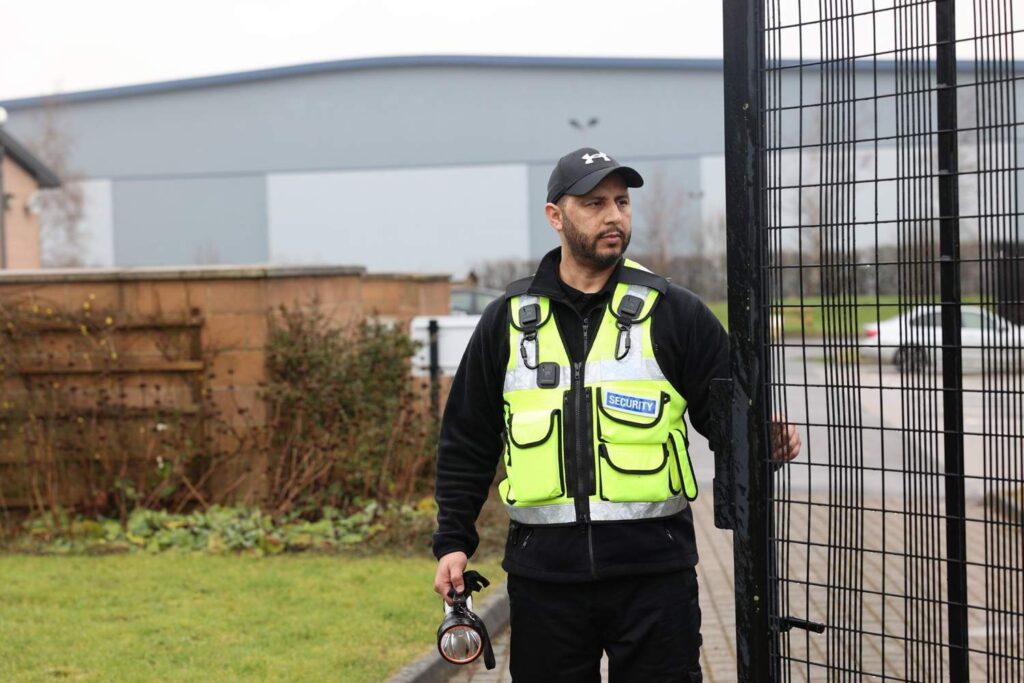
A security officer plays a central role in maintaining safety, protecting assets, and supporting public safety across the UK. From corporate buildings to retail environments and construction sites, the presence of a trained security officer provides reassurance to employees, and visitors.
The modern security industry has evolved well beyond traditional guarding. Today, a security officer combines vigilance with strong communication, technical knowledge, and respond effectively to incidents. There is a growing demand for security officers in the UK, indicating a secure career option.
At companies such as Proforce Security, the focus is on delivering reliable, professional security services while developing skilled personnel who can adapt to a wide range of environments. This article explores what a typical day looks like, the duties involved, the skills required, and the challenges that come with working as a security officer in the UK.
What Does a Security Officer Do? (Role Explained)
At its core, the manned guarding job is about prevention. A professional security officer works to identify risks before they escalate, helping to protect people, property, and other valuables. This includes maintaining a secure environment through visible presence and active monitoring.
Security Officer Job Duties
The day-to-day duties of a security officer can vary depending on the site, location, and type of security services provided. However, several responsibilities remain consistent across most roles.
- Patrolling and Site Security: Security officers conduct active patrols in all weather conditions to maintain security and safety.
- Access Control and Entry Management: Security officers maintain access controls for vehicles and foot traffic, ensuring that only authorised individuals enter the premises.
- Monitoring CCTV and Surveillance Equipment: A security officer is responsible for observing live footage, reviewing recordings, and identifying suspicious behaviour.
- Incident Response and Emergency Handling: As a security officer, you are expected to respond to incidents, including distress calls, disruptive activities, or emergency alarms.
- Reporting and Documentation: A key responsibility of a security officer is to complete daily reports documenting observations of activities on-site.
- Public Interaction and Customer Support: A security officer is often the first point of contact for visitors. Being approachable, friendly, and professional is essential.
A Day in the Life of a Security Officer (Realistic Breakdown)
The daily routine of a security officer is structured yet unpredictable. While there are clear duties and procedures to follow, no two days are exactly the same.
Shift Start Procedures
At the beginning of a shift, a security officer carries out a detailed handover process. This includes reviewing notes from the previous shift, checking for reported incidents, and understanding any ongoing risks at the site. Clear communication within the team is essential to ensure continuity in security management.
Routine Duties Throughout the Day
Once the shift begins, guard starts carrying out his routine security guarding services.
Monitoring CCTV systems remains an ongoing responsibility. A security officer must stay alert while reviewing live feeds, identifying suspicious activity, and responding when necessary. Strong situational awareness is a crucial skill for security officers, as they need to react to changing situations effectively.
Security officers are responsible for managing traffic into and out of the site, locking and unlocking premises securely, permitting or refusing entry, and restraining intruders when necessary. This highlights the level of responsibility placed on a security officer in protecting both people and assets.
Incident Response and Emergency Handling

One of the most critical aspects of the role is responding to incidents. A security officer must be ready to act quickly when alarms are triggered or when suspicious behaviour is detected.
A security officer must be ready to act quickly when alarms are triggered or when suspicious behaviour is detected. Conflict de-escalation techniques are also vital for handling stressful or aggressive situations calmly and effectively as a security officer.
In some cases, a security officer may need to carry out searches, secure areas, or assist emergency responders. The role requires both confidence and sound judgement, particularly in high-pressure environments such as Central London or busy public venues.
Reporting and Logbook Management
Accurate reporting is a fundamental duty of a security officer. Throughout the shift, all activities, observations, and incidents must be recorded in daily reports. These records are essential for maintaining transparency and supporting investigations if required.
Types of Security Officer Jobs & Sectors
The role of a security officer and manned guarding duties can vary depending on the sector, site, and type of security required. From corporate offices to busy retail centres, every sector presents unique responsibilities and challenges.
Corporate Security
Corporate security roles involve protecting office buildings, corporate parks, and high-value assets. A security officer in this sector focuses on commercial security objectives such as access control, surveillance, and monitoring sensitive areas. Officers often work closely with management to develop security protocols and ensure compliance with health and safety regulations.
Corporate security roles can provide opportunities for career progression. Experienced officers may advance to positions such as senior or chief security officer, overseeing teams and managing larger sites.
Retail and Hospitality Security
Retail and hospitality settings are customer-focused environments where safety and protection are a priority. A security officer in these sectors combines vigilance with excellent retail-focused customer service skills. Tasks include monitoring CCTV systems, patrolling stores or hotels, preventing theft, and responding to incidents.
Retail and hospitality guarding roles often require flexibility, with work shifts covering evenings, weekends, and bank holidays. This flexibility can influence pay levels, and prior experience in customer service can be highly beneficial.
Transport and Event Security
Transport hubs, such as airports, train stations, and bus terminals, require front line security to manage large numbers of people and high-value assets. Event security roles, including concerts, festivals, and sporting events, demand rapid decision-making and strong situational awareness.
Specialist training may be required for some roles, such as close protection, anti-terrorism measures, or managing VIP guests. These positions can provide opportunities for advancement and additional qualifications within the security careers pathway.
Construction and Industrial Sites
Construction sites and industrial environments present unique hazards. A security officer is responsible for securing materials, preventing theft, and monitoring access to potentially dangerous areas. Daily patrols and checks of security systems are crucial in maintaining safety.
The cost of manned guarding is especially high in this sector due to complex duties and increased risks.
Security Officer vs Security Guard: What’s the Difference?
Understanding the difference helps clarify client expectations. The distinction also influences average salary expectations and the potential for advancement.
SIA Accreditation and Licence
To work legally as a security officer, the person must hold a Security Industry Authority (SIA) licence. Obtaining this licence requires completing recognised training, including first aid and SIA-approved courses through providers such as City & Guilds or the National Open College Network (NOCN).
Before SIA training, the person must have a first aid qualification, demonstrating preparedness for emergencies. A security guard may not always require the same level of formal training or licensing, depending on the employer and sector. However, experience in customer service, armed forces, or police work can benefit both roles.
Professional Expectations
Clients often view a security officer as a professional front-line representative responsible for protecting people, buildings, and other assets. Officers are expected to remain calm, respond effectively to incidents, and maintain high standards of integrity and reliability. They must also follow security management procedures closely and use surveillance equipment proficiently.
By contrast, a security guard may have a narrower remit with fewer responsibilities for reporting, monitoring, and managing complex incidents. A security officer is frequently the first point of contact for visitors and staff, making interpersonal skills and professionalism essential.
Skills Every Security Officer Needs
Being a security officer requires a unique combination of technical ability, interpersonal skills, and professional judgement. You need to confirm these skills before hiring any security contractor to ensure the quality of security services.
Essential Soft Skills
Soft skills are critical for a successful security officer. These include:
- Communication: Clear and effective communication helps officers interact with staff, visitors, and emergency services. Officers are often the first point of contact and need to explain procedures, give guidance, and de-escalate situations professionally.
- Conflict Management: Conflict de-escalation techniques are vital for handling aggressive or stressful situations calmly. A security officer must remain calm and make decisions that prioritise public safety.
- Integrity and Reliability: Employers value officers who act responsibly and follow legal and moral standards. Officers are trusted with safeguarding buildings, assets, and other valuables.
Technical and Practical Skills
A strong security officer also needs practical technical skills:
- Monitoring CCTV and Surveillance Equipment: Proficiency in operating CCTV systems and other security systems allows officers to detect suspicious activity quickly.
- Access Control: Officers manage access points, ensuring that only authorised personnel enter the premises. Knowledge of electronic or manual entry systems is essential.
- Emergency Response: Officers must respond to alarms, incidents, or emergencies, coordinating with emergency services when required. This includes administering first aid and managing evacuation procedures.
- Report Writing: Completing daily reports accurately documents observations, incidents, and actions taken. This helps maintain accountability and supports ongoing security management.
Physical and Personal Competencies
Physical fitness is an important requirement for security officers, as the role often involves standing for long periods, patrolling large areas, or responding to incidents. Officers must also be approachable, friendly, and reassuring, as they often interact directly with the public.
Additionally, backgrounds in the armed forces, police, or customer service are highly valued. These experiences provide transferable skills in conflict management, discipline, and dealing with stressful situations.
Continuous Learning and Development

A successful security officer focuses on continuous improvement. Acquiring new skills, updating knowledge of security systems, and keeping current with changes in regulations strengthens both personal performance and career progression. Continuous professional development can also open opportunities in specialist areas such as close protection, anti-terrorism, or supervisory roles.
SIA Licence & Recruitment Process in the UK
To work legally as a security officer in the UK, obtaining a Security Industry Authority (SIA) licence is mandatory. This licence ensures that officers meet professional standards and are qualified to protect people, property, and assets across various environments.
SIA Licence Requirements
Before applying for an SIA licence, candidates must complete a recognised training course. This includes:
- First Aid Qualification: Essential for responding to incidents and emergencies on-site.
- SIA-approved Training: Covers operational procedures, conflict management, fire safety, and the use of CCTV systems and other security systems.
Training providers such as City & Guilds or the National Open College Network (NOCN) offer recognised qualifications. Full training for roles like MI5 security officers includes operational procedures, conflict management, first aid, fire safety, IT, and CCTV systems, often lasting up to a year.
To apply for SIA security officer position, you must also meet the following criteria:
- Be at least 18 years old.
- Pass thorough background checks, including criminal records screening.
- Provide proof of good character, integrity, and reliability.
- Meet minimum health and fitness standards.
A good standard of general education, including several GCSEs or their equivalents, can help applications but is not strictly mandatory. Keep an eye on recent SIA updates for the more accurate knowledge of eligibility criteria.
Working Legally and Professionally
Holding a valid SIA licence demonstrates that a security officer is professionally trained and authorised to work in the UK. It is a fundamental requirement to join all front line security roles, including corporate, retail, transport, and event security.
Our guide on regular security training for modern UK threats explains how ongoing training helps security officers stay compliant and prepared for evolving risks.
Work Environment & Challenges Security Officers Face
Working as a security officer involves navigating a variety of environments, interpreting the UK threat levels, and managing challenges that require vigilance, professionalism, and adaptability. From corporate offices to outdoor sites, each work setting presents unique demands that shape the daily responsibilities of officers.
Indoor and Outdoor Work Environments
A security officer may work in fully enclosed office buildings, retail centres, hotels, or industrial sites. These indoor environments often involve monitoring CCTV systems, managing access control, and patrolling hallways, entrances, and restricted areas.
Outdoor environments, for example construction sites, transport hubs, or public events, expose officers to varying weather conditions. Active patrols are conducted in all conditions to ensure customer safety and protect other valuables. Physical stamina and resilience are important traits for officers working across mixed environments.
Shift Lengths and Rotation
Shift patterns can vary widely. Security officers may work early mornings, evenings, nights, weekends, and bank holidays. These work shifts are designed to maintain uninterrupted security services, but they also require flexibility and the ability to remain alert despite irregular hours.
Night shifts often involve lone working, where the officer assumes full responsibility for the site. This increases the importance of situational awareness, disciplined routines, and adherence to security management procedures.
Lone Working Risks and Mitigation
Lone working is a common aspect of security officer jobs, especially on night shifts or in smaller sites. Officers must be able to respond to incidents independently, monitor surveillance equipment, and communicate effectively with colleagues or emergency services.
Mitigation strategies include regular check-ins, mobile communication devices, and thorough handovers. Officers are trained to manage risks calmly, maintain public safety, and secure buildings and assets without direct supervision.
Handling Stressful or Aggressive Situations
Conflict is a natural part of security work. Security officers are trained in conflict management and de-escalation techniques to handle aggressive or stressful encounters while ensuring the safety of themselves and others. The ability to remain calm under pressure and maintain professional composure is critical.
Situational awareness allows officers to anticipate potential issues, make reasonable adjustments and stay alert for emerging risks. This vigilance protects both staff and visitors and ensures incidents are managed efficiently and lawfully.
Balancing Responsibilities
Security officers work hard and juggles multiple duties simultaneously, including monitoring CCTV systems, conducting patrols, controlling access, and documenting activities in daily reports. Each duty contributes to maintaining a secure work environment, and officers must prioritise tasks based on risk assessment and organisational policy.
Physical fitness, interpersonal skills, and technical competence all play a role in managing these challenges. Successful officers continuously develop their skills to adapt to evolving security industry standards and new skills in areas such as close protection or advanced surveillance technology.
Why Choose Proforce Security?
Proforce Security is a leading UK security provider of professional security services across the UK, delivering comprehensive solutions for corporate, retail, and public-facing environments. For individuals seeking security officer jobs, the company offers a supportive, well-structured security career path and a strong focus on professional development.
Mission and Values
Proforce Security’s mission is to protect people, buildings, and other valuables through highly trained, vigilant officers. We prioritise public safety and the top priority is ensuring that clients’ assets and staff are secure at all times. Officers in our team are expected to remain calm, stay alert, and respond to incidents effectively while maintaining a professional presence.
Training and Career Development
Proforce Security places a strong emphasis on career progression. Security officers have opportunities to gain new qualifications, pursue SIA licences, and develop expertise in security systems, CCTV, and advanced surveillance techniques through structured training and development programmes.
Officers can advance to senior roles such as chief security officer, supervisor, or team leader, with pathways supported by apprenticeships and continuous professional development.
Secure Your Business with Proforce Security Officers
Ensure the safety of your staff, visitors, and assets by partnering with Proforce Security. Our professional security officers provide reliable security services across corporate offices, retail sites, events, and high-risk locations. With expertise in CCTV monitoring, access control, conflict management, and emergency response, our officers help protect your premises while maintaining a professional and reassuring presence.
Contact Proforce Security today to discuss your business’s security needs and hire trained officers who prioritise public safety, asset protection, and operational excellence. Let us help you create a secure environment so your team and customers can work and visit with confidence.
Frequently Asked Questions
What is meant by security officer?
A security officer is a trained professional responsible for protecting people, buildings, property and other assets from security risks. In the UK, their duties can include patrols, access control, CCTV monitoring, incident response and maintaining security records.
What is the job role of a security officer?
The job role of a security officer is to maintain a safe and secure environment through prevention, monitoring and appropriate incident response. Their responsibilities may include controlling entry, conducting patrols, monitoring surveillance systems, responding to alarms and recording incidents.
What are the three types of security officers?
Security officers can work in different roles depending on the environment and security requirements. Common examples include corporate security officers, retail security officers and event or transport security officers, although specialist roles such as construction and industrial security also exist.
What is another name for a security officer?
Depending on the employer and role, a security officer may also be referred to as a security guard, security operative or security professional. However, the exact title and responsibilities can vary between employers and types of security services.
Why must we hire you as a security officer?
A strong security officer should demonstrate reliability, vigilance, communication skills and the ability to remain calm under pressure.
Proforce Security ensures that all security officers operate in compliance with the security industry authority SIA licence standards. Our team maintains a focus on legal and ethical practices, emphasising reliability, situational awareness, and adherence to operational procedures.


