
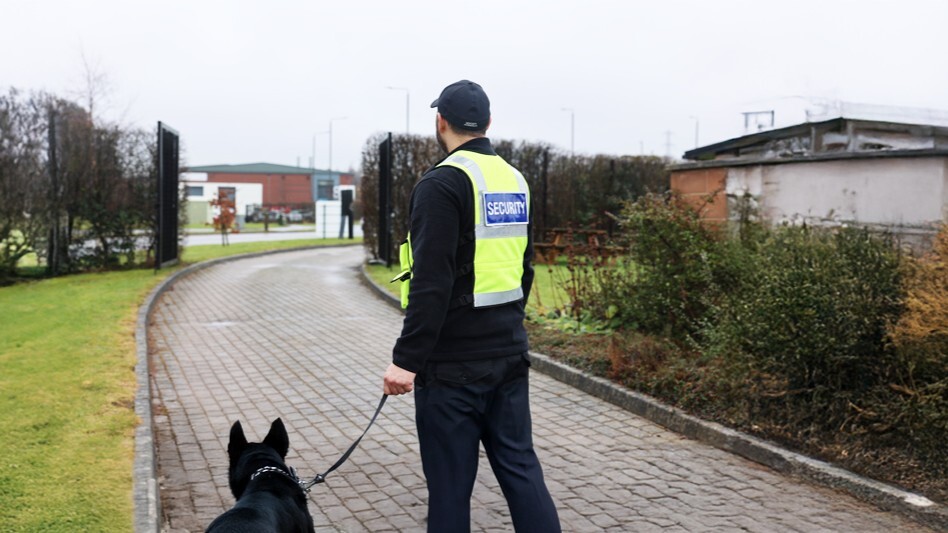
Business security requirements have changed significantly in recent years. Rising theft, trespassing, vandalism, and organised criminal activity have pushed many companies to look beyond traditional guarding methods. As a result, canine security has become an increasingly common solution for businesses that require a stronger physical presence and faster threat detection.
Across the UK, security dogs are now regularly deployed at construction sites, warehouses, industrial estates, vacant properties, corporate sites, and public events. Their ability to detect threats quickly, patrol large areas, and deter criminal behaviour makes them a valuable part of modern security services.
Despite their growing use, some businesses still question whether canine security is safe. Concerns often focus on aggression, liability, public interaction, and legal compliance. In reality, professionally managed canine security services operate under strict standards that prioritise safety, control, welfare, and responsible deployment.
Proforce Security use highly trained dogs alongside experienced dog handlers to deliver tailored protection for clients across South Yorkshire and Lancashire. These dog teams are carefully trained to remain calm under pressure while maintaining a strong deterrent against potential intruders.
The effectiveness of K9 security comes from a combination of instinct, training, and expert human supervision. K9 security services operate through trained dog handlers who work alongside specially trained security dogs, providing heightened awareness and rapid response to potential threats.
What Are Canine Security Services?
Canine security services involve the deployment of fully trained security dogs alongside licensed handlers to protect sites, assets, and people. These services are used across a wide range of environments where enhanced perimeter security and rapid incident response are required.
Unlike ordinary guard dogs, professional security dogs are carefully selected and trained to operate within controlled security environments. Their role extends beyond intimidation. They are trained to detect threats, patrol vulnerable areas, identify unauthorised access, and support handlers during security incidents. Find out How Security Dogs Detect Threats Faster Than Humans using their scent abilities and specialised training in our blog.
Professional canine security services in the UK follow recognised security accreditations and industry approvals, ensuring both dogs and handlers undergo extensive training for safety and effectiveness. Handlers and dogs in K9 units often undergo testing by recognised bodies to ensure they meet occupational standards and legal compliance.
This professional approach is essential because K9 security relies heavily on discipline, communication, and control. Security dog users depend on handlers to assess risk levels, maintain safe environments, and ensure appropriate responses at all times.
Many businesses choose canine security because dogs can patrol areas that may be difficult for static guards or technology alone to monitor effectively. A dog can sprint at speeds of 15–20 mph, navigating uneven ground and obstacles with ease. This mobility allows canine units to respond quickly across large areas where immediate intervention may be necessary.
Canine units are highly mobile and can cover large areas quickly, making them ideal for sites with wide perimeters or low visibility, such as warehouses and outdoor events.

Which Sites Should Deploy Canine Site Security?
Canine security patrols are particularly effective in environments that require strong perimeter protection, such as construction sites, industrial facilities, and high-risk residential properties. Professional K9 security providers often deploy dog teams as part of broader security solutions.
These services may include:
- Construction site security dogs
- Vacant property security dogs
- Event security support
- Patrol security
- Drug and explosive detection
- Corporate site protection
- Industrial estate security
- Site evictions and trespass prevention
The presence of a security dog serves as a formidable deterrent to potential intruders, as their physical presence and keen awareness make them excellent at detecting unusual activities or trespassers.
Canine security units are highly effective in deterring criminal activity, as criminals are less likely to approach a site that is visibly protected by highly trained security dogs and professional handlers.
For businesses operating across the UK, this visible deterrent can often prevent incidents before they occur, reducing theft, vandalism, and unauthorised access while supporting safer working environments.
Are Security Dogs Safe for Businesses and the Public?
For many businesses, safety is the first concern when considering canine services. Questions around aggression, liability, employee welfare, and public interaction are common, especially in busy commercial environments where staff, contractors, and visitors regularly move through the premises.
In practice, professionally managed K9 security is built around discipline, control, and responsible deployment. Security dogs used by reputable providers across the UK are highly trained working dogs that operate under strict supervision from qualified dog handlers. Their role is not to intimidate without reason, but to provide enhanced protection, detect threats early, and support rapid incident response.
When deployed correctly, canine security creates a secure environment while maintaining high standards of public and workplace safety.
How Professional Canine Security Training Improves Safety
The effectiveness of K9 security depends heavily on training. Professional canine security services in the UK follow strict training and welfare standards, ensuring both dogs and handlers undergo extensive training for safety and effectiveness.
Unlike untrained guard dogs, security dogs are carefully conditioned to remain calm, alert, and responsive in challenging environments. This includes construction sites, industrial estates, commercial premises, vacant properties, and public events where large numbers of people may be present.
Unlike static guarding alone, canine units introduce mobility, heightened sensory awareness, and a visible security presence that criminals are often unwilling to challenge. Security dogs can detect movement, sound, and unfamiliar scents long before a human guard might notice an issue, enhancing the deterrent effect of canine security.
This level of discipline is essential because canine security teams often work in environments where quick decisions and controlled behaviour are necessary. Highly trained dogs are taught to respond only to handler commands, helping prevent unnecessary escalation during security incidents.
Handlers and dogs in K9 units often undergo testing by recognised bodies to ensure they meet occupational standards and legal compliance. For businesses, this provides reassurance that K9 security services are delivered professionally and responsibly.
Why Security Dogs Are Effective Deterrents Against Crime?
The presence of trained security dogs can significantly deter criminal activity, making them an effective component of an integrated security strategy that includes human oversight and technology. Criminals are far less likely to target a site protected by canine units because the likelihood of detection and intervention increases considerably.
The presence of a security dog serves as a formidable deterrent to potential intruders, as their physical presence and keen awareness make them excellent at detecting unusual activities or trespassers. K9 security units are highly effective in deterring criminal activity, as criminals are less likely to approach a site that is visibly protected by trained dogs.
For businesses across the UK, this preventative effect is often one of the most valuable aspects of K9 security services. Preventing incidents before they occur reduces theft, vandalism, trespassing, and disruption to operations.
Faster Threat Detection Than Traditional Security Measures
Security dogs possess abilities that traditional security systems cannot fully replicate. Their heightened senses allow them to identify movement, sound, and unfamiliar scents long before a human guard may notice a problem.
Security dogs can detect movement, sound, and unfamiliar scents long before a human guard might notice an issue, enhancing the deterrent effect of canine security.
Security dogs possess an acute sense of smell, allowing them to detect illicit substances, explosives, or intruders more effectively than most technological detection methods.
Canine security teams are trained for tasks including explosive and drug detection, patrol, and suspect apprehension. This makes K9 security particularly valuable for businesses operating in high-risk environments or large open locations where visibility may be limited.
Canine units are highly mobile and can cover large areas quickly, making them ideal for sites with wide perimeters or low visibility, such as construction sites and industrial facilities, when integrated with mobile patrol security services.
A dog can sprint at speeds of 15–20 mph, navigating uneven ground and obstacles with ease.
This mobility gives K9 security teams the ability to respond quickly to potential threats across large areas that may be difficult for static guards or CCTV systems to monitor effectively.
K9 Event Security in Public and Crowded Environments
Many businesses also use canine security during events and large public gatherings. In these situations, maintaining crowd safety and preventing disorder becomes a major priority.
K9 units are effective at managing unruly crowds and preventing illegal occupations. Dogs are deployed in crowded places to screen for contraband including drugs, firearms, cash, and explosives.
These operations require exceptionally high levels of training and handler control. Dogs working within event security environments must remain calm despite loud noise, heavy foot traffic, and rapidly changing surroundings. The presence of security dogs can deter potential intruders, making them an effective preventative solution in various environments, including events and temporary sites.
For event organisers, canine security provides both visible reassurance for attendees and an additional layer of protection against potential threats.
Dog Handlers, Training, and Welfare Standards

The effectiveness of K9 security depends not only on the capability of the dogs, but also on the professionalism of the handlers responsible for managing them. Well trained dog teams operate with discipline, control, and consistency, allowing businesses to benefit from reliable protection without compromising safety or welfare standards.
Professional canine security services across the UK place significant importance on handler training, operational compliance, and animal welfare. This ensures security dogs remain effective in demanding environments while being cared for responsibly throughout their working lives.
The Importance of Professional Dog Handlers
Dog handlers are a critical part of every canine security operation. While security dogs provide heightened awareness and rapid detection capabilities, handlers are responsible for interpreting situations, directing responses, and maintaining operational control.
Handlers of canine security dogs are trained in security procedures, animal care, situational judgement, and legal compliance to ensure responsible management of security situations.
This training allows handlers to operate effectively across a wide range of environments, including construction sites, industrial estates, vacant properties, commercial sites, and event security operations. Experienced handlers understand how to assess potential threats, manage risk levels, and respond appropriately during incidents involving trespassing, theft, or unauthorised access.
Professional handlers also ensure security dogs remain calm and focused while working around employees, customers, contractors, and members of the public.
Training Standards for Canine Security Teams
Professional canine security services in the UK follow strict training and welfare standards, ensuring both dogs and handlers undergo extensive training for safety and effectiveness.
Before deployment, security dogs complete specialist training designed to improve obedience, control, patrol capabilities, and threat detection. Depending on operational requirements, canine units may also receive advanced instruction in explosive detection, drug detection, suspect apprehension, and crowd management.
Canine security teams are trained for tasks including explosive and drug detection, patrol, and suspect apprehension. Handlers and dogs in K9 units often undergo testing by recognised bodies to ensure they meet occupational standards and legal compliance.
Many professional providers work in line with recognised national association guidance and British standards to ensure K9 security services are delivered responsibly. This helps businesses confirm that deployed dog teams meet industry expectations for professionalism, safety, and operational performance.
Canine security dogs are trained to remain calm and controlled around staff and the public, ensuring safety while providing effective security coverage. This level of preparation is particularly important in environments where security incidents may develop quickly or where dogs are required to operate within busy public spaces.
Welfare Standards and Responsible Deployment
Animal welfare is an essential part of professional canine security operations. Reputable providers understand that highly trained dogs perform best when they are healthy, properly rested, and cared for to high standards.
Professional handlers are responsible for maintaining the physical wellbeing and working condition of their dogs. This includes regular exercise, proper nutrition, hydration, veterinary care, and rest periods between deployments.
Working dogs are also carefully matched to suitable environments based on their temperament, training, and operational strengths. For example, some dogs may be more suited to construction site security and perimeter patrols, while others may specialise in event security or detection work within crowded environments. Responsible deployment protects both the welfare of the dog and the safety of people on site.
Businesses choosing canine services should always work with providers that prioritise welfare, compliance, and professional standards. Well managed dog teams are more reliable, more effective at detecting threats, and better equipped to maintain safe environments across a wide range of commercial and industrial settings.
For clients across the UK, professional K9 security offers reassurance that both handlers and dogs are trained, supported, and deployed according to recognised operational and welfare standards.
Combining Canine Security With Other Security Services
Canine security is most effective when used as part of a layered security strategy. Integrating K9 security with other security measures enhances overall protection by providing a versatile approach that combines the strengths of both human and canine capabilities.
Canine units are often used alongside static guards and mobile patrol security services, creating a layered security strategy that improves site safety and reduces reliance on a single security measure.
This layered approach allows businesses to combine technology, manned guarding, mobile patrols, and canine security into one coordinated protection strategy.
For example, CCTV systems can monitor vulnerable areas while canine units patrol perimeters and provide immediate response to suspicious activity. Static guards may control entry points while dog teams secure large outdoor spaces and restricted areas.
This combination improves overall site protection while helping businesses maintain safe environments for employees, customers, contractors, and visitors.
Secure Your Business With Professional Canine Security Services
Protecting commercial premises, construction site equipment, industrial estates, vacant properties, and high value assets requires more than a basic security presence. Professionally managed canine security teams provide businesses with a reliable, visible, and highly effective solution for detecting threats, preventing unauthorised access, and maintaining site safety across challenging environments.
At Proforce Security, our highly trained dog teams and expert handlers deliver tailored canine security services across South Yorkshire and Lancashire. Whether you require construction site security dogs, event security support, vacant property protection, or integrated K9 security for commercial premises, we provide flexible security solutions designed around your operational needs and risk levels.
Contact Proforce Security today to discuss how our professional K9 security services can help you in protecting people, property, and valuable assets.


